
What Every Homeowner Should Know About Rodent Control
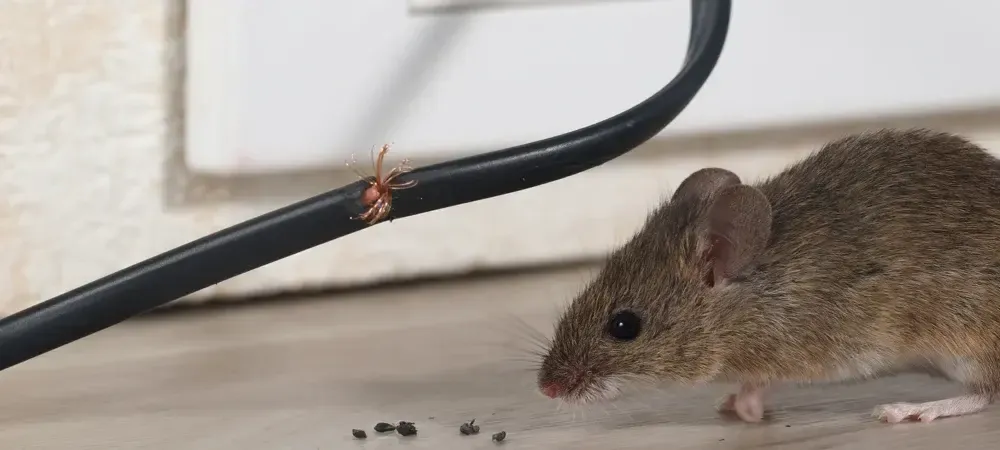
Each year, an estimated 21 million U.S. homes experience rodent activity. Most infestations don’t begin with an obvious problem—they start quietly, often going unnoticed for weeks or even months. Homeowners simply aren’t sure what to look for, what’s normal, or when a situation requires professional attention. Understanding how rodent problems develop is the key to protecting your home, your family’s health, and your long-term investment.
Early Warning Signs Are Easy to Miss
That single dropping behind the toaster. A faint scratching noise in the walls late at night. A bag of pet food that looks slightly disturbed. These aren’t random or isolated occurrences - they’re early indicators of an established rodent presence. What many homeowners don’t realize is how quickly rodents multiply. If you see one mouse, there are often dozens more hiding behind walls, in attics, or beneath floors. Learning to identify early signs of rodent activity gives you the advantage of acting before populations explode.
Entry Points Are Smaller Than You Think
Mice squeeze through openings the size of a dime. Rats fit through gaps as small as a quarter. That tiny crack you barely notice? It's an open door for rodents.
Entry points that are commonly overlooked include:
- Gaps around utility lines where pipes and cables enter the home
- Foundation cracks that develop over time
- Damaged or missing vent screens in crawlspaces and attics
- Gaps between the roof and soffit
- Worn or missing garage door seals
- Openings around doors and windows with deteriorated weather stripping
In a typical inspection, we often find 10 to 20 potential rodent entry points that aren’t visible during a casual walkaround. Seasonal changes, temperature shifts, and natural settling can create new vulnerabilities throughout the year, which is why rodent issues often reappear if exclusion work isn’t thorough.
Timing Makes All the Difference
When homeowners first notice signs of rodents, many choose to “wait and see” if the problem resolves itself. Unfortunately, rodents don’t go away on their own. Every week of delay allows populations to grow, nesting areas to expand, and damage to increase. Rodents reproduce rapidly, and even a short delay can mean the difference between a minor issue and a full-scale infestation. Early action not only reduces damage but also limits health risks and makes control far more effective.
The Problem Is Usually Bigger Than It Appears
When you find evidence in the kitchen, it's easy to think that's where the problem is contained. Rodent activity in one room typically indicates activity throughout the structure. They might be nesting in your attic, raising young in wall voids, or sheltering in crawlspace debris.
Common nesting areas include:
- Attic insulation, especially in corners and against exterior walls
- Wall voids near plumbing or electrical penetrations
- Crawlspace areas with stored items or debris
- Behind appliances and inside cabinetry void spaces
- Garage storage areas with cardboard boxes and soft materials
Ongoing Prevention Is Key
Rodents are a constant presence in many residential areas, especially in suburban and urban neighborhoods where food, shelter, and warmth are readily available. Even after an infestation is addressed, homes can remain vulnerable if entry points, attractants, and favorable conditions aren’t corrected. Long-term rodent control focuses on exclusion, sanitation, and ongoing monitoring. Preventive strategies provide lasting protection rather than short-term relief and significantly reduce the likelihood of repeat infestations.
Take Action Before Problems Escalate
Homeowners who successfully prevent costly infestations act on early warning signs and work with professional expertise. Understanding how rodent problems develop is the first step. Contact PMSI today for a thorough rodent inspection and customized control plan. Our comprehensive pest control services protect your property, your family's health, and your peace of mind.