
How to Prevent Rodents From Getting Into Your Home
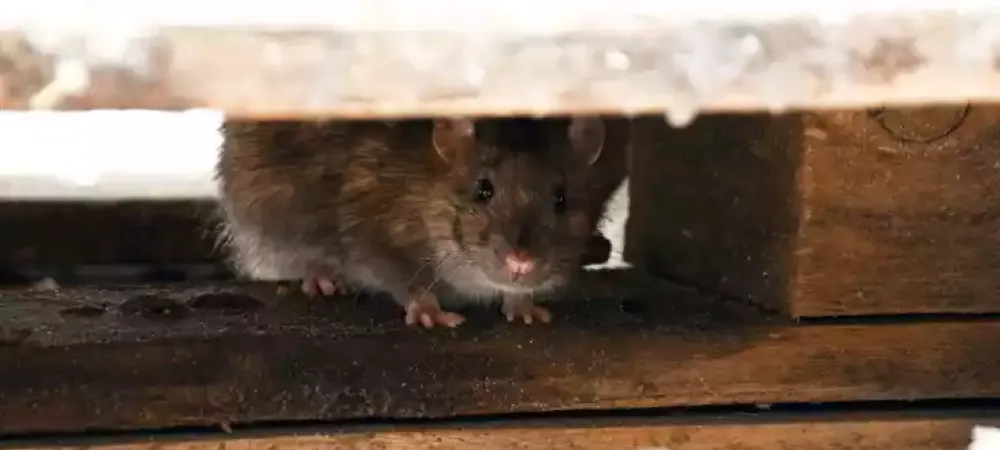
Rodent prevention starts with understanding how rats and mice use structures. Homes naturally provide warmth, shelter, and access to food, which makes them attractive to rodents year-round. Preventing entry is far more effective than trying to address rodents once they’re already inside. Effective prevention focuses on limiting access, reducing conditions that attract rodents, and identifying vulnerabilities before they become active entry points.
Why Rodent Prevention Is Important
Rodents reproduce quickly and are highly persistent once they identify a viable way into a home. A single access point can be reused repeatedly, allowing activity to grow over time without being immediately noticed. Preventing rodents from entering helps reduce the risk of infestations, protects wiring, insulation, and structural materials, and limits the chances of recurring activity. Homes that prioritize prevention are far more likely to avoid long-term rodent problems and the ongoing control issues that come with them.
How Rodent Prevention Works
Preventing rodents from getting into a home is about controlling access. Rats and mice are constantly searching for shelter, and once they find a structure they can enter, they will continue using the same access points unless those areas are properly addressed. Effective prevention focuses on three things: where rodents can get in, what encourages them to keep trying, and how those areas change over time.
Step 1: Identify Where Rodents Can Enter
Rodents do not need large openings to get inside. Small gaps created by settling, wear, or construction features are often enough.
Most rodent entry points are found in predictable locations, including:
- Areas where pipes, cables, or utility lines enter the home
- Cracks or gaps along the foundation or exterior walls
- Openings around vents, crawl space covers, and exhaust fans
- Gaps beneath doors, garage doors, or worn door sweeps
- Rooflines, soffits, and attic access points
Many of these openings develop slowly and are easy to miss unless they are specifically inspected.
Step 2: Close Gaps Before Rodents Use Them
Once rodents discover an opening, they are likely to reuse it. Prevention is most effective when gaps are addressed before rodents establish regular access routes. Even small openings can support ongoing activity if they remain accessible. Closing gaps early helps prevent rodents from entering and reduces the chances of activity spreading throughout the structure. Over time, rodents may widen weak areas through repeated use, making early intervention especially important.
Step 3: Focus on Areas Rodents Target First
Rodents tend to explore certain parts of a home before others, especially areas that provide cover, warmth, or limited disturbance. These locations are often where entry attempts begin.
Areas rodents commonly target first include:
- Foundations and lower exterior walls
- Garages and attached structures
- Crawl spaces and utility chases
- Attics and rooflines
Prioritizing these areas during prevention efforts helps reduce the likelihood of rodents gaining initial access.
Step 4: Reduce Conditions That Encourage Entry
Structural gaps alone don’t determine whether rodents attempt entry. Conditions around the home can increase rodent pressure and make access attempts more frequent.
Rodents are more likely to test entry points when:
- Vegetation or debris is close to the foundation
- Moisture issues provide reliable water sources
- Outdoor food sources are available near the home
- Storage or clutter creates shelter along exterior walls
Step 5: Understand That Prevention Requires Ongoing Attention
Homes change over time due to weather, seasonal shifts, and normal wear. Materials can degrade, foundations can settle, and new gaps can form. Because of this, rodent prevention is not a one-time task. Ongoing attention helps ensure previously sealed areas remain secure and new vulnerabilities are identified before rodents can take advantage of them.
Next Steps If Rodents Are a Concern
Preventing rodents from getting into your home starts with understanding how they gain access and why they continue testing the same areas. When entry points are identified early and conditions that attract rodents are reduced, the risk of infestation drops significantly. If you’re noticing warning signs such as noises, droppings, or damage, our guide on signs of rodents in your home can help determine whether rodents may already be present. When activity is suspected or prevention needs go beyond what’s visible, professional inspection and exclusion are often the most effective next step. Our rodent control services focus on identifying vulnerabilities and preventing recurring rodent activity through long-term solutions.