
Why Yellow Jackets and Wasps Get More Aggressive in Late Summer and Fall
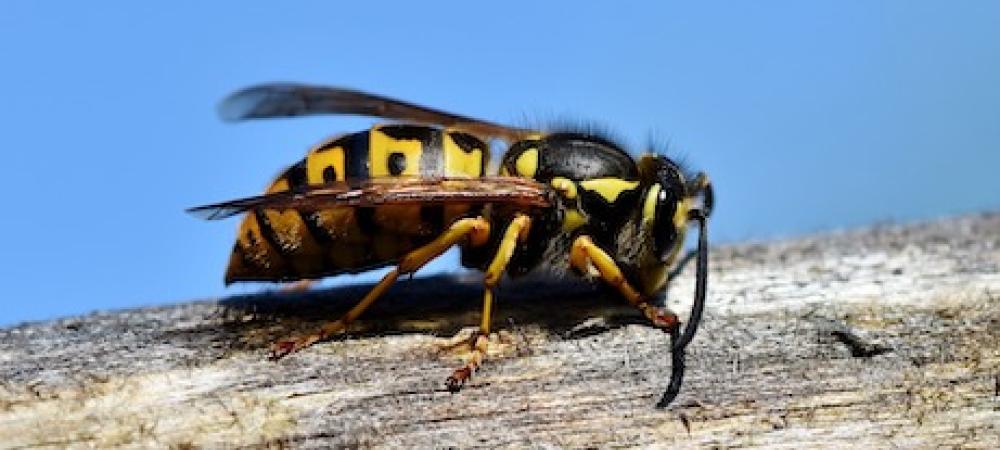
Yellow jackets and wasps get more aggressive in late summer and fall because their colonies hit peak population right as their food source changes. The queen stops laying eggs, workers no longer get the sugary secretion they used to get from feeding larvae, and hungry, food-driven wasps become far more likely to sting when disturbed.
What's Happening Inside the Colony
A wasp colony follows a yearly cycle. It starts small in spring when a single queen builds a nest and lays her first eggs. Through summer, the colony grows as new workers hatch and take over building the nest and finding food. By late summer, that colony is at its largest size of the year, often holding thousands of workers in a single nest.
Then the cycle starts to shut down. In late summer, the queen stops laying eggs and the colony stops raising new larvae. That one change sets off everything homeowners notice about wasp behavior in fall.
Why Wasps Shift From Hunting Bugs to Chasing Sugar
During spring and summer, worker wasps spend most of their time hunting insects to feed the larvae back at the nest. In return, the larvae produce a sugary secretion that feeds the adult workers. It's a trade: protein for the babies, sugar for the workers.
Once the queen stops laying eggs, there are no more larvae to feed and no more sugar secretion coming back to the workers. The wasps still need sugar to survive, so they go looking for it elsewhere. That's why late summer and fall are when wasps suddenly show up around soda cans, fruit, trash cans, and picnic tables. They're not more aggressive by nature. They're more desperate for a food source they no longer have.
Peak Colony Size Means More Wasps Defending One Nest
Nest size matters just as much as food source. A nest that seemed quiet in June can hold several thousand workers by September. More workers defending the same nest means more wasps responding if that nest gets bumped, stepped on, or disturbed by yard work like mowing or trimming hedges.
This is also why fall nest removal carries more risk than spring or early summer removal. The colony is at its largest and most defensive point right before it naturally dies off with the first hard frost.
Yellow Jackets vs. Other Wasps
Nest in the ground, wall voids, or other enclosed spaces. Most aggressive when disturbed and most likely to sting repeatedly. Usually the culprit behind fall trash can and picnic activity.
Paper wasps build open, umbrella-shaped nests under eaves or in trees. Generally less aggressive unless someone gets close to the nest itself.
Signs You Have an Active Nest Nearby
A few signs point to an active nest close to your home:
- More wasp activity than usual around trash cans, gutters, or eaves
- Visible holes in the ground with wasps flying in and out
- A paper-like nest under an eave, deck, or tree branch
- Wasps repeatedly showing up near outdoor food or drinks, even indoors
What to Do If You See Increased Wasp Activity
If you notice more wasps around your home this time of year, a few habits go a long way:
- Keep food and drinks covered when eating outside
- Check trash cans and recycling bins have tight-fitting lids
- Avoid swatting at wasps, since fast movement can trigger a defensive response
- Steer clear of any nest you find rather than trying to spray or knock it down yourself
Fall nests are larger and more defensive than earlier in the season, so DIY removal carries more risk of multiple stings, especially for anyone with a known allergy.
When to Call a Professional
If you've spotted a visible nest, notice wasps coming from inside a wall or the ground, or have anyone in the household with a sting allergy, it's worth having a professional handle removal rather than risking it yourself. You can get a free estimate and have it taken care of safely.
Frequently Asked Questions
Do yellow jackets die off in the fall?
Yes. Once temperatures drop with the first hard frost, the colony dies off except for newly mated queens, who leave the nest to find shelter for winter and start new colonies the following spring.
Why are there suddenly so many wasps in September?
The colony has reached its peak population for the year, and workers have shifted from hunting insects to searching for sugar sources like fruit and trash, which brings them into more contact with people.
Is it more dangerous to remove a wasp nest in the fall?
Generally yes. Colonies are at their largest size of the year in late summer and early fall, meaning more workers are present to defend the nest if it's disturbed.
Do wasps reuse the same nest next year?
No. Wasp nests are not reused. New queens build a new nest each spring, even if it's in a similar location to a previous year's nest.
Seeing more wasp activity around your home?
Get a professional inspection before a fall nest becomes a bigger problem.
Get a Free Estimate