
Do I Have Termites or Flying Ants? How to Tell the Difference
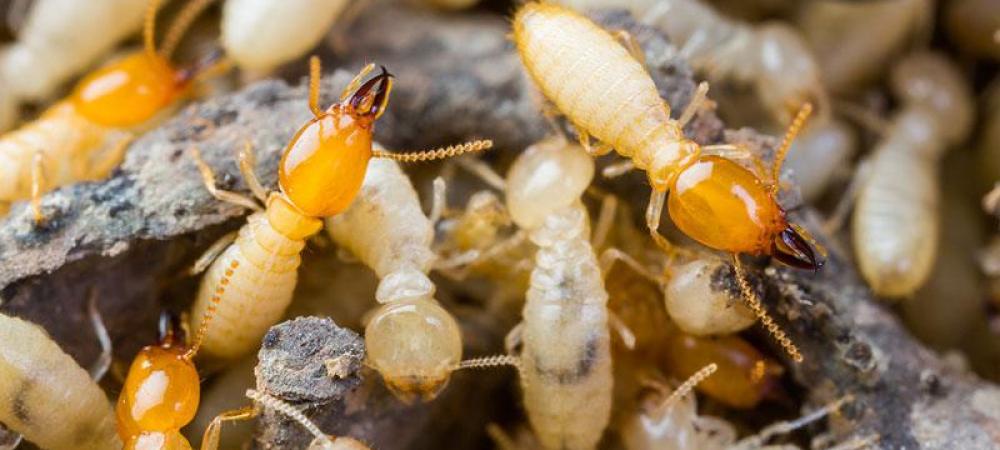
The fastest way to tell termite swarmers from flying ants: check the waist, wings, and antennae. Termite swarmers have a thick, straight-sided waist, two pairs of wings that are equal in length, and straight antennae. Flying ants have a narrow, pinched waist, two pairs of wings that are clearly unequal in length, and antennae that bend at an angle (elbowed). If you're seeing a swarm of winged insects around your Mid-Atlantic home, this three-point check is the most reliable way to know what you're dealing with before you decide what to do next.
Why Do People Mix Up Termites and Flying Ants?
Termite swarmers and flying ants show up at similar times of year, often after a warm rain, and both fly in groups looking for a new place to build a colony. From a few feet away, they can look nearly identical. But one of them (termites) can cause significant structural damage to a home over time, while the other (flying ants) is usually just a nuisance. Getting the identification right matters, because it changes whether you need a same-week inspection or just some cleanup.
What Are the Physical Differences Between Termites and Flying Ants?
Waist Shape
Termite swarmers have a broad, uniform waist with no visible narrowing. Flying ants have a distinctly pinched, narrow waist, almost like a thin thread.
Wing Length
Termite swarmers have four wings that are all the same length. Flying ants have four wings too, but the front pair is noticeably longer than the back pair.
Antennae Shape
Termite antennae are straight, like a small strand of beads. Ant antennae are elbowed, bending at a sharp angle partway down.
What Other Clues Help Tell Them Apart?
Beyond the physical check, a few situational clues can support what you're seeing:
- Where you're finding them: Termite swarmers typically emerge from wood, soil near a foundation, or cracks in concrete close to the ground. Flying ants are more likely to appear near baseboards, windowsills, or areas with existing ant activity in the home.
- Discarded wings: Both termites and flying ants shed their wings after swarming, so a small pile of wings on a windowsill or floor doesn't tell you which pest you have. Use the wing, waist, and antennae check on the wings or insects themselves.
- Timing: In the Mid-Atlantic region, termite swarms are most common in spring, while flying ant swarms tend to show up in the warmer months from late spring through summer. Timing alone isn't a reliable identifier, but it can support what you're already seeing.
What Should You Do If You Find Termite Swarmers?
Finding termite swarmers in or near your home is a sign of an active colony, and it's worth having a professional confirm what's going on before any damage progresses. PMSI's termite inspections identify both active infestations and the conditions that tend to attract termites in the first place, and our Wood-Destroying Insect Reports (WDIR) meet real estate transaction requirements if you're buying or selling a home in the process.
What Should You Do If You Find Flying Ants?
Flying ants are typically a nuisance rather than a structural threat, but a swarm inside the house often means there's an established ant colony nearby. If you're seeing them repeatedly, it's worth having a technician take a look as part of a standard residential pest control visit to find and address the colony rather than just the swarmers you can see.
Frequently Asked Questions
Request a free estimate and let a PMSI technician confirm it for you.