
Signs You Have Bed Bugs (Before You See One)
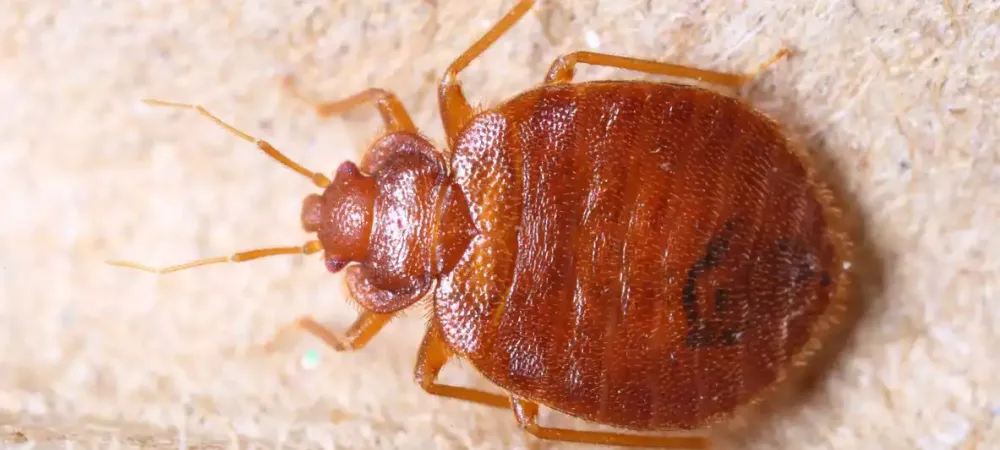
Most people find out they have bed bugs long before they ever see one. The bugs themselves hide in seams and cracks during the day, so the first real clues are physical signs left behind, not the insect itself. Here are the six signs that typically show up first, and what to do if you spot more than one.
1. Small, Itchy Bites in a Line or Cluster
A bed bug bite pattern is one of the earliest physical signs of an infestation. The bites usually appear in a straight line or tight cluster on skin that was exposed while sleeping. A common pattern people report is three bites close together, sometimes called "breakfast, lunch, and dinner." On their own, the bites can resemble mosquito bites, so the clustered pattern is the more reliable clue.
Bites typically show up on:
- Arms and shoulders
- Legs and ankles
- Neck and face
- Hands, if they hung off the edge of the bed
2. Rust-Colored or Dark Spots Along Mattress Seams
Small reddish-brown or black spots along the seams of a mattress, box spring, or bed frame are bed bug fecal spots, and they're often the first sign someone notices, before any live bug is seen. These spots are flat, don't smear like fresh blood, and tend to cluster along stitching and folds rather than open, flat surfaces.
Check these spots first:
- Mattress seams and piping
- Box spring corners and staples
- Bed frame joints and headboard cracks
- Baseboards near the bed
3. Tiny Pale Shed Skins Tucked Into Seams and Joints
Bed bugs shed their outer skin several times as they grow, leaving behind pale, hollow shells about the size of an apple seed or smaller. These shed skins collect in mattress seams, bed frame joints, and nearby furniture cracks. Finding shed skins is a stronger indicator than a bite pattern alone, since it confirms bed bugs have been living and molting in that spot, not just passing through.
4. A Sweet, Musty Odor in the Bedroom
A heavier bed bug infestation can produce a faint, sweet, almost musty smell, similar to damp towels left in a closed bag. This odor typically only becomes noticeable once an infestation has grown past its earliest stage, so it's more of a confirming sign than a first sign. If this smell shows up alongside bite marks or fecal spots, the infestation is likely past the very beginning stage.
5. Waking Up Itchy With No Insect in Sight
Bed bugs feed at night and retreat into hiding spots before daylight, so someone can wake up with new bites and never see what caused them. If new bites keep appearing overnight with no visible bug and no change in soaps, detergents, or medications, that recurring pattern is itself a meaningful sign worth investigating further.
6. Small Blood Spots on Pillowcases or Sheets
Tiny blood spots smaller than a pencil eraser can appear on sheets or pillowcases after a bed bug feeds and gets crushed during normal movement in sleep. On their own, these spots could come from a scratched bite or a skin irritation unrelated to bed bugs. Paired with fecal spots or shed skins, though, they add to the overall picture.
How to Tell Bed Bugs Apart From Other Bug Bites
Fleas, mites, and mosquitoes can all leave bite marks similar to bed bugs. The distinguishing factor is rarely the bite itself. It's what else is present nearby.
- A clustered or lined-up bite pattern
- Fecal spots along seams or joints
- Shed skins in cracks near the bed
- A single, isolated bite with nothing else nearby
- Bites appearing away from the bed (yard, ankles from grass, etc.)
- No spotting or shed skins anywhere in the room
When to Call a Professional
Two or more of the signs above are enough reason to schedule a professional inspection rather than wait for a visual confirmation. Bed bugs spread between rooms quickly, and in apartments or shared buildings, they can move between units through wall voids and shared plumbing. Catching an infestation early, before it spreads to multiple rooms, generally means a faster and less disruptive treatment.
Time to call if you've noticed:
- A clustered bite pattern, plus
- Fecal spots, shed skins, or a musty smell in the same room
PMSI serves homes and businesses across the Mid-Atlantic and can inspect for bed bugs even before any bug has been spotted directly.
Frequently Asked Questions
Yes. Bed bugs hide in seams, cracks, and joints during the day and feed at night, so most people notice fecal spots, shed skins, or bite patterns well before they ever see a live bug.
Fecal spots and bite patterns can appear within the first week or two of an infestation, before the bed bug population has grown large enough to be easily visible.
Not for everyone. Some people react to a bite within hours, while others don't notice any reaction for several days. Because reaction time varies so much, the bite pattern and other physical signs are more reliable indicators than itching alone.
Small, flat, dark reddish-brown or black spots, usually found along mattress seams, box spring edges, or bed frame joints, and they don't smear the way a fresh blood spot would.