
How to Identify Common vs. Dangerous Spiders Around Your Home
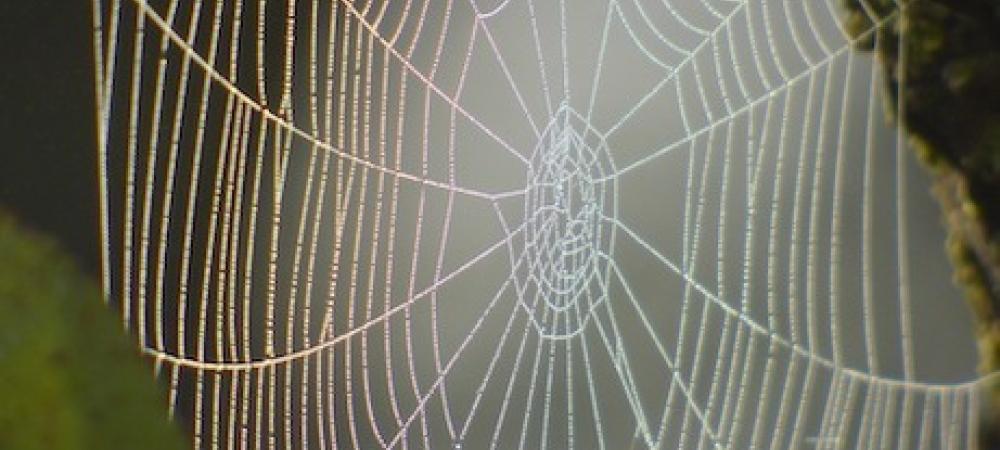
Most spiders found in and around homes aren't considered dangerous and actually help control other pests like flies and mosquitoes. A small number, including black widows and brown recluse spiders, are dangerous and should be identified quickly so you know when to call a professional.
Common Household Spiders (Low Risk)
These spiders are the ones you're most likely to run into, and none of them are considered a real threat to people or pets.
- House spiders: Small, brown or tan, build messy webs in corners of basements, garages, and window frames. Not aggressive toward people.
- Cellar spiders: Long, thin legs with a small body, often mistaken for daddy longlegs. Found in damp, dark areas like basements and crawl spaces. Not aggressive.
- Wolf spiders: Larger and hairy, gray or brown with darker markings. Hunt on the ground rather than building webs, often seen in garages or gardens.
- Jumping spiders: Small, compact, often black with white or colorful markings. Known for short, quick jumps rather than webs. Curious but not aggressive toward people.
- Orb-weaver spiders: Build large, circular webs outdoors, often near porch lights or gardens. Mostly active at night.
Dangerous Spiders to Watch For
Key Differences at a Glance
| Feature | Common Spiders | Dangerous Spiders |
|---|---|---|
| Body color | Brown, tan, gray | Shiny black or dark brown |
| Markings | Usually none or subtle | Red hourglass or violin shape |
| Web style | Messy or organized, out in the open | Tangled webs low to the ground, or no web at all |
| Location | Garages, porches, gardens | Woodpiles, closets, storage boxes, crawl spaces |
| Behavior | Not aggressive toward people | Best avoided and left to a professional |
Where Spiders Hide In and Around Your Home
Spiders look for quiet, undisturbed spaces with easy access to food. The most common hiding spots include:
- Basements and crawl spaces
- Attics and storage boxes
- Garages and woodpiles
- Window wells and door frames
- Behind furniture that's rarely moved
Reducing clutter in these areas and sealing gaps around doors and windows makes your home less inviting to spiders of any kind.
When to Call a Professional
A single spider sighting usually isn't cause for concern. It's time to call a professional if you notice:
- Multiple spiders or webs in the same area
- Egg sacs, which signal an active breeding population
- Any sighting of a black widow or brown recluse, since these are best removed by a professional rather than handled directly
Dangerous species in particular are worth professional removal. They tend to hide in spaces that are hard to check safely, and treatment needs to address where they're nesting, not just the spider you can see.
Frequently Asked Questions
Are most house spiders dangerous?
No. The large majority of spiders found in homes, like house spiders, cellar spiders, and jumping spiders, aren't considered dangerous and pose little risk to people or pets.
What should I do if I spot a black widow or brown recluse?
Avoid handling the spider directly and contact a pest control professional for removal. These species are best identified and removed by someone trained to do it safely.
How do I keep spiders out of my house?
Seal gaps around doors and windows, reduce clutter in basements and garages, and clear webs and egg sacs regularly. For an ongoing spider problem, a professional treatment plan is the most reliable option.
Can brown recluse spiders be found anywhere in a home?
Brown recluse spiders prefer dark, undisturbed spaces like closets, attics, and storage boxes. They're less likely to be found in frequently used, well-lit rooms.