
Why Do I Have Ants If My House Is Clean?
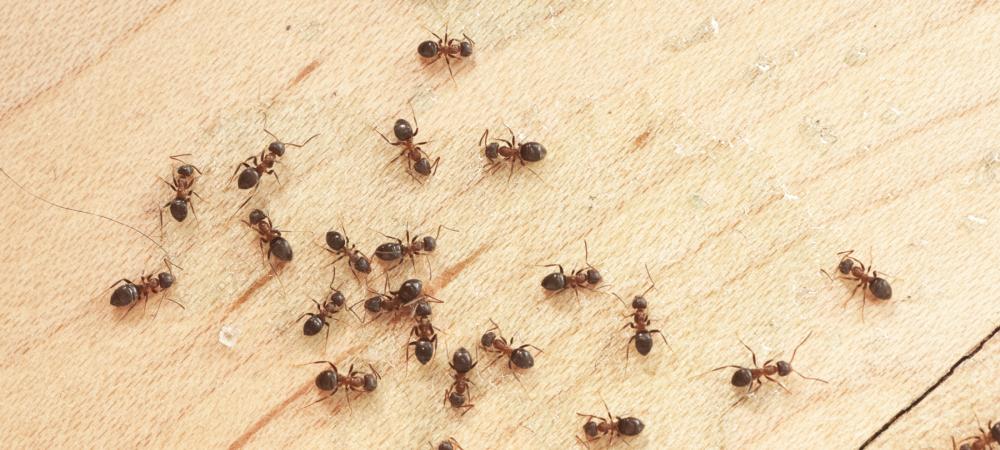
The most common reasons ants show up with no food visible: they're after trace residue you can't see, they're after water, or the weather outside pushed them in. Ants can detect food particles far smaller than what counts as "food out" to a person, things like a grease film on a stovetop, crumbs behind an appliance, or pet food residue in a bowl that looks clean. On top of that, ants need water as much as food, and a leaky pipe, condensation on a window, or a damp basement can draw them in even when your kitchen counters are spotless. If you're seeing ants and can't figure out what's attracting them, the food you're picturing usually isn't the food they're finding.
Can Ants Find Food in a Clean House?
A clean kitchen counter and a food-free house aren't the same thing to an ant. Scout ants can pick up on food residue in places most people never think to check:
- Grease splatter on or around the stove
- Crumbs that fall behind the fridge, dishwasher, or toe kicks
- Residue left in a "clean" trash can or recycling bin
- Pet food bowls, even ones that look empty
- Sticky spots from spilled juice or soda that dried without being wiped
- Sugar or syrup residue inside a pantry, even from a sealed container with a sticky lid
Once one scout ant finds a food source, it leaves a pheromone trail back to the colony, and other ants follow that trail exactly. That's why ants often seem to appear out of nowhere along one specific path. They're not searching randomly. They're following a scent trail to something a scout already found.
Could Water Be the Real Reason Ants Are Coming In?
For many common house ants, water matters more than food. Ants need a steady moisture source to survive, and a home offers several without anyone noticing:
- Condensation around windows or pipes
- A slow leak under a sink or around a water heater
- A damp crawlspace or basement
- Standing water in a plant saucer
- High humidity around a bathroom or laundry area
If ants are showing up near a sink, bathroom, or basement rather than the kitchen, water is often the actual draw, not food at all.
Does Weather Explain the Sudden Ant Activity?
In the Mid-Atlantic, ant activity often tracks weather more closely than anything happening inside a home. Two patterns show up again and again:
- After heavy rain: Rain can flood shallow ant nests in the yard, sending ants looking for dry, stable ground, which often means your foundation or walls.
- During hot, dry stretches: When outdoor moisture dries up, ants move indoors specifically to find water, not food.
Both patterns explain why ant activity can spike suddenly with no change in how food is stored or cleaned up inside the house. The trigger happened outside.
What if the Ants Aren't Looking for Food at All?
Some ants get inside a home for a reason that has nothing to do with your kitchen: they're building a nest in the structure itself. Carpenter ants are the clearest example. They target wood that's already softened by moisture, often around a leaky window frame, a rotted sill, or damp framing near a bathroom or crawlspace, and they excavate it to build a nest rather than eat it. If ants are showing up regularly in the same spot with no food or water source nearby, especially alongside small piles of what looks like sawdust, a structural nest is worth ruling out.
How Can You Tell What's Drawing the Ants In?
Where the ants are and where they're heading tells you more than the size of the trail. Here's how to match what you're seeing to the likely cause:
| What You're Noticing | What It Likely Means |
|---|---|
| Trail leads toward the kitchen or pantry | Food residue, even trace amounts |
| Ants near a sink, bathroom, or basement | Water or moisture source |
| Activity spiked right after heavy rain | Outdoor nest flooded, ants sought dry ground |
| Activity spiked during a hot, dry stretch | Ants moved in looking for water |
| Sawdust-like debris near the trail | Possible carpenter ant nest in damp wood |
What Should You Do When You Can't Find the Source?
Cleaning up visible food is a reasonable first step, but it won't solve an ant problem that's actually about moisture or a nest already established in the structure. Sealing entry points helps short term, but colonies that are already inside a wall void or under a slab usually keep coming back until the colony itself is addressed. At that point, a professional inspection is the more reliable path. Trained technicians can identify the ant species, trace it back to the nest (even one that isn't visible), and treat the actual source instead of the symptoms.
PMSI's residential pest control service includes a full interior and exterior inspection to identify entry points and the conditions drawing pests in, with treatment plans built around what's actually happening at your home rather than a one-size-fits-all approach. If ants keep showing up with no clear cause, get a free estimate and let a technician find the source.
Frequently Asked Questions
For many common house ant species, yes. Moisture is often a bigger draw than food, especially near sinks, bathrooms, and basements where a leak or condensation provides a steady water source.
Yes. Ants can detect food residue in amounts far too small for a person to notice, including grease films, dried spills, and crumbs in gaps behind appliances.
Hot, dry weather often pushes ants indoors specifically to find water, not food. This is a common seasonal pattern in the Mid-Atlantic and isn't related to anything happening in your kitchen.
Yes. Carpenter ants nest inside wood that's already been softened by moisture, which means they can be a sign of both an ant problem and a hidden moisture issue in the structure. They're worth having a professional confirm rather than treating as a typical nuisance ant.